The Honest Answer
Is Ecuador safe? The honest answer is: it depends on where you are, what you do, and how aware you are of your surroundings. That is not a dodge — it is the truth that applies to nearly every country in the world, including the United States.
Ecuador has experienced real security challenges in recent years. The country declared a state of internal armed conflict in January 2024 after a wave of organized crime violence, largely tied to drug trafficking organizations operating in coastal cities. Gang violence, prison riots, and high-profile incidents made international headlines and understandably spooked potential expats.
But here is the context that headlines miss: the overwhelming majority of that violence is concentrated in specific areas, involves specific actors, and does not target everyday residents or tourists. The highland cities where most expats live — Cuenca, Quito's northern suburbs, Cotacachi, Vilcabamba — have experienced far less impact than the coastal and border regions.
Thousands of American, Canadian, and European expats continue to live in Ecuador safely and happily in 2026. Many feel safer in their Ecuadorian neighborhoods than they did in their U.S. cities. But safety requires awareness, precautions, and honesty about the risks. This guide provides all three. For help choosing the right city, see our where to live in Ecuador guide.
Crime Statistics in Context
Ecuador's homicide rate rose sharply from 2021 to 2024, driven largely by organized crime. In 2023, the rate hit approximately 25 per 100,000 residents — a dramatic increase from the pre-pandemic rate of about 6 per 100,000. By 2025, government crackdowns and military operations brought the rate down to an estimated 17-19 per 100,000, though data for 2026 is still being compiled.
For context:
| Location | Homicide Rate (per 100,000) |
|---|---|
| Ecuador (2025 est.) | 17-19 |
| United States (2024) | ~5.7 |
| Colombia (2024) | ~24 |
| Mexico (2024) | ~23 |
| Cuenca, Ecuador (2025 est.) | ~5-7 |
| St. Louis, Missouri (2024) | ~40 |
| Baltimore, Maryland (2024) | ~36 |
The national statistics include the violence hotspots along the coast and northern border. The cities where most expats live have rates comparable to or lower than many mid-sized American cities. Cuenca, the most popular expat destination, has maintained a relatively low crime rate throughout Ecuador's broader security challenges.
Safest Cities for Expats
Cuenca
Ecuador's third-largest city and by far the most popular expat destination. Cuenca sits at 8,400 feet in the southern highlands, far from the coastal corridors where organized crime is concentrated.
- Crime level: Low to moderate. Petty theft exists but violent crime against expats is rare.
- Police presence: Visible and generally responsive in the city center and expat-heavy neighborhoods like El Centro, Yanuncay, and Misicata.
- Expat community: Estimated 5,000-8,000 U.S. and Canadian expats, creating a built-in support network.
- Why it feels safe: Walkable neighborhoods, active street life during the day, community-oriented culture.
Cotacachi
A small town in the northern highlands known for its leather goods market and tranquil atmosphere.
- Crime level: Very low. This is a small town where everyone knows everyone.
- Best for: Retirees seeking a quiet, affordable, close-knit community.
- Considerations: Limited infrastructure compared to Cuenca; relies heavily on Ibarra and Otavalo for services.
Vilcabamba
The "Valley of Longevity" in southern Ecuador, popular with health-conscious expats and digital nomads.
- Crime level: Low, though there have been occasional property crimes targeting expat homes.
- Best for: Nature lovers, minimalists, and those seeking a rural lifestyle.
- Considerations: Very small town with limited services. Some expats find it too isolated.
Loja
A university city in the south, less touristy than Cuenca but increasingly attracting expats.
- Crime level: Low. Loja has consistently low crime rates and a strong civic culture.
- Best for: Expats who want an authentic Ecuadorian experience without a large expat bubble.
Northern Quito Suburbs
Areas like Cumbaya, Tumbaco, and the Quito Valley offer a suburban feel with access to the capital's amenities.
- Crime level: Moderate. Better than central Quito, but theft and burglary do occur.
- Best for: Professionals, families, and those who need access to Quito's services and international airport.
Areas to Avoid or Exercise Extreme Caution
Certain areas in Ecuador carry significantly higher risk, particularly for foreigners:
- Guayaquil's southern zones (Suburbio Oeste, La Trinitaria, Isla Trinitaria): High rates of gang activity and violent crime. Northern Guayaquil (Samborondon, Kennedy) is considerably safer.
- Esmeraldas Province: Ecuador's northwestern coast has been heavily impacted by drug trafficking violence. The State Department advises against travel to Esmeraldas city and much of the province.
- The Colombian border region (Sucumbios, Carchi): Drug trafficking routes and spillover violence from Colombia. Avoid unless you have a specific, informed reason to be there.
- Duran: A city adjacent to Guayaquil with high crime rates.
- Certain neighborhoods in southern Quito: Higher crime rates than the north. Research specific neighborhoods before renting.
These areas are not where expats typically live. But knowing where they are helps you make informed decisions about travel within the country.
Common Crimes and How They Happen
Petty Theft and Pickpocketing
The most common crime affecting expats is petty theft. It happens in markets, on buses, in crowded plazas, and at tourist attractions. Methods include:
- Distraction theft: One person creates a distraction (bumping into you, spilling something on you, asking a question) while an accomplice takes your phone, wallet, or bag.
- Bus theft: Thieves on public buses target visible phones and bags during crowded rides.
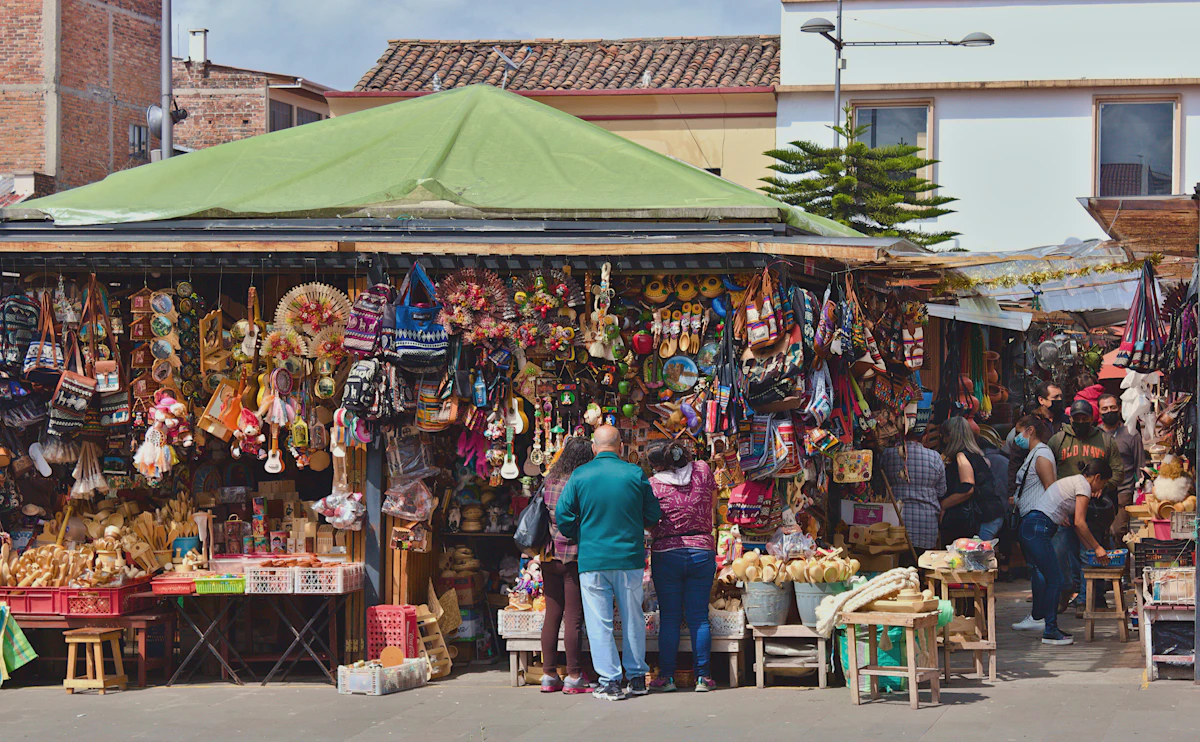
- Market theft: Crowded mercados are prime pickpocketing territory.
Phone Snatching
Phone theft is extremely common in Ecuador. Thieves on foot or motorcycles grab phones directly from people's hands, particularly when they are looking at their screens on the street. This happens in broad daylight in otherwise safe neighborhoods.
Express Kidnapping
Rare but real. A victim is forced into a car, driven to ATMs, and made to withdraw cash before being released. This is more common in Guayaquil and Quito than in smaller cities. Using reputable taxi services or apps dramatically reduces this risk.
Home Burglary
Break-ins occur, particularly in ground-floor apartments and isolated houses. Most happen when the home is empty. Electronic security systems, alarm services, and building with a portero (doorman) significantly deter burglars.
Scams
Common scams targeting expats include overcharging for services, fake police checkpoints (rare but reported), and real estate fraud. Always verify credentials, get contracts in writing, and use recommended professionals.
Taxi Safety
Taxis are an essential part of life in Ecuador, and most taxi rides are perfectly safe. However, unauthorized taxis have been used in robberies. Follow these guidelines:
- Use Uber or InDrive whenever possible — the driver's information is logged and the route is tracked
- If hailing a street taxi, look for the official registration number displayed on the door and the orange license plate
- Avoid taxis waiting outside bars and nightclubs late at night — these are the highest-risk situations
- Never share a taxi with strangers who approach you
- Send your taxi details (plate number, driver name from the app) to a friend or family member before getting in, especially at night
- Sit in the back seat and keep your phone accessible to call for help if needed
- In Cuenca and Quito, there are radio taxi companies you can call to have a registered driver dispatched to your location. Ask your neighbors which company they use.
Nighttime Safety
Ecuador is generally safe during daylight hours in the cities where expats live. Nighttime requires more caution:
- Avoid walking alone after 10 PM, especially in poorly lit areas
- Stick to well-traveled streets and busy areas if you are out late
- Take a taxi or rideshare rather than walking home from a restaurant or bar at night
- Avoid displaying expensive jewelry, watches, or electronics after dark
- If you are at a bar or restaurant, keep your bag on your lap or in your line of sight — never hang it on the back of your chair
Natural Disasters
Ecuador sits on the Pacific Ring of Fire and straddles the equator, creating exposure to several natural hazards:
Earthquakes
Ecuador experiences regular seismic activity. The devastating 7.8 magnitude earthquake in April 2016 killed over 650 people, primarily on the coast. The highlands, including Cuenca, are less prone to major earthquakes but tremors do occur.
What to do: Learn earthquake safety (drop, cover, hold on), identify safe spots in your home, keep an emergency kit with water, food, flashlight, and documents.
Volcanic Activity
Ecuador has several active volcanoes, including Cotopaxi (near Quito) and Tungurahua (near Banos). Eruptions can produce ash fall affecting cities hundreds of kilometers away.
What to do: Monitor IGEPN (Instituto Geofisico) alerts, keep N95 masks at home for ash events, and understand evacuation routes if you live near an active volcano.
Flooding and Landslides
Heavy rainy seasons (roughly January through May in the highlands) can cause flooding in low-lying areas and landslides on mountain roads. This affects travel more than daily life, but be cautious on road trips during rainy season.
U.S. State Department Travel Advisory
As of early 2026, the U.S. State Department maintains a Level 2: Exercise Increased Caution advisory for Ecuador overall, with Level 4: Do Not Travel designations for specific provinces including Esmeraldas, parts of Guayas, and border areas.
What this means practically:
- The overall Level 2 is the same advisory level as the UK, France, Germany, and dozens of other countries that millions of Americans visit annually
- The Level 4 areas are places where expats do not typically live
- The State Department recommendations include enrolling in STEP (Smart Traveler Enrollment Program) so the embassy can contact you in emergencies
- Travel insurance that covers evacuation is recommended
Do not dismiss the advisory, but do not let it replace your own informed assessment. Read the specific details rather than just the headline level.
Practical Safety Tips
These are the concrete actions that expats in Ecuador follow to stay safe:
-
Do not flash your phone on the street. Use it, then put it in your front pocket immediately. Never walk with your phone in your hand. This single habit prevents the most common crime against expats.
-
Carry a "dummy wallet." Keep a small amount of cash ($20-40) and an expired card in a cheap wallet to hand over if mugged. Keep your real wallet and cards elsewhere.
-
Leave expensive jewelry and watches at home. A visible Rolex or gold chain makes you a target. Wear simple accessories or none at all.
-
Learn some Spanish. Even basic conversational ability reduces your vulnerability. Thieves preferentially target people who look confused and unable to communicate.
-
Walk with purpose and confidence. Do not wander while staring at a map on your phone. Look like you know where you are going, even when you do not.
-
Vary your routine. Do not walk the same route at the same time every day. Predictability makes you easier to target.
-
Use hotel safes or home safes for valuables. Keep your passport, extra cash, and backup credit cards secured. Carry a photocopy of your passport rather than the original unless you specifically need it.
-
Trust your instincts. If a situation feels wrong — a deserted street, a person following you, an overly friendly stranger — remove yourself from it. Cross the street, enter a shop, or hail a taxi.
-
Make friends with your neighbors. Ecuadorian neighborhoods look out for each other. Introduce yourself, participate in community life, and your neighbors will keep an eye on your home.
-
Install security at home. An alarm system, security cameras, and a reinforced front door are standard in Ecuador, not signs of paranoia. Many apartment buildings include 24-hour portero (doorman) service.
-
Keep emergency numbers saved in your phone. Police: 911. Your country's embassy. A trusted local friend who can help translate in a crisis.
-
Do not resist a robbery. If you are mugged, hand over what they want without resistance. No possession is worth your safety. Material things can be replaced.
Women's Safety
Women living in Ecuador face some additional considerations:
- Street harassment (catcalling) is common, though it has decreased in recent years, particularly in Cuenca and Quito. Most of it is verbal and non-threatening, but it is unwelcome and annoying.
- Solo female travel is generally safe in highland cities during the day. Exercise more caution at night, particularly in Quito and Guayaquil.
- Drinks: Never leave a drink unattended at a bar or club. Drink spiking occurs, as it does worldwide.
- Trust your network. Join women's expat groups on Facebook and WhatsApp. These communities share safety alerts, recommend safe neighborhoods, and provide support.
- Report incidents. Ecuador has improved its response to crimes against women. The DINASED (National Directorate of Crimes Against Life) handles violent crimes and the police have specialized units for gender-based violence.
Many solo female expats live happily and safely in Ecuador. The precautions are largely the same as in any mid-sized city in the Americas — awareness, smart choices, and a supportive community.
Security for Your Home
Home security is taken seriously in Ecuador, and you should approach it as a standard part of setting up your household, not as an emergency measure. See our finding a home guide for details on choosing a secure apartment or house:
Physical Security
- Bars on windows (rejas): Standard throughout Ecuador, even in nice neighborhoods. Your apartment likely already has them.
- Reinforced doors: Steel-reinforced front doors with multiple locks are common and inexpensive to install.
- Walls and gates: Most Ecuadorian homes are behind walls with locked gates. This is cultural as much as security-driven.
- Security cameras: Systems cost $150-400 installed, with cloud storage options. Some neighborhoods share camera feeds through WhatsApp groups.
Monitoring and Response
- Alarm systems: Companies like CLAVE, G4S, and local providers offer monitored alarm systems for $25-50/month
- Portero buildings: Apartments with a 24-hour doorman provide an extra layer of security and are worth the slightly higher rent
- Neighborhood watch: Many neighborhoods have organized vigilancia groups with WhatsApp coordination
- Security guards: Gated communities and some neighborhoods employ private security guards
Smart Practices
- Always lock doors and windows when leaving, even for short errands
- Do not leave valuables visible through windows
- Get to know your building's portero and tip them during holidays — they are your first line of defense
- If you travel, have someone collect your mail and vary lights/curtains to make the home look occupied
Putting It All Together
Ecuador is not the safest country in South America, and pretending otherwise does you a disservice. But it is also not the dangerous place that sensational headlines suggest. The reality for expats living in Cuenca, Cotacachi, Vilcabamba, and the nicer areas of Quito is that daily life feels safe, comfortable, and normal.
The security challenges Ecuador faces are real and primarily affect Ecuadorians in specific vulnerable communities and geographic areas. As a foreigner with resources, awareness, and a supportive community, your risk profile is significantly lower than the national statistics imply.
Take precautions. Stay informed. Build community. Trust but verify. And do not let fear prevent you from experiencing a country and a culture that has an enormous amount to offer. Tens of thousands of expats have found that the quality of life in Ecuador is worth the trade-offs — and with smart habits, those trade-offs are manageable. For the practical side of settling in safely, see our first 90 days guide and our daily life in Ecuador guide.